
Israel becomes first country to recognise Somaliland as sovereign state, marking historic diplomatic shift
Written byTimes Magazine
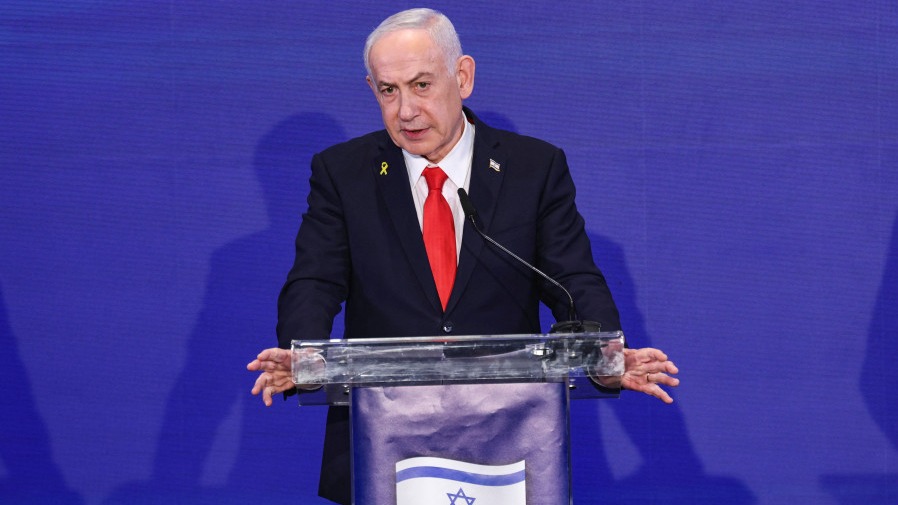
Israel has formally recognised Somaliland as a sovereign state, becoming the first country in the world to do so. The landmark decision marks a significant shift in diplomatic relations and has far-reaching implications for international geopolitics, regional security, and economic cooperation in the Horn of Africa and the Middle East. Leaders from both territories have described the move as historic, underscoring its potential to reshape alliances and prompt broader recognition in the future.
Somaliland, which declared independence from Somalia in 1991 following a prolonged civil conflict, has long sought international recognition. Despite running its own government, security forces, and functioning institutions for more than three decades, its status has remained unrecognised by the United Nations and most sovereign states. The lack of formal recognition has limited Somaliland’s ability to enter into treaties, participate fully in international organisations, and attract foreign investment. Israel’s recognition now changes that dynamic, offering a new platform for diplomatic and economic engagement.
Israeli Prime Minister described the decision as a “recognition of Somaliland’s effective governance and stability,” noting that “Somaliland has demonstrated a capacity for self-administration, security, and democratic principles worthy of full state recognition.” Israeli officials said the move reflects shared values and interests, particularly in areas of trade, technology, and security cooperation. The two parties have already agreed to begin discussions on establishing embassies in each other’s capitals, with formal diplomatic missions expected to follow in the coming months.
Somaliland’s President welcomed the recognition, calling it a “watershed moment” for his nation’s quest for global legitimacy. In a televised statement, he expressed gratitude to Israel while reaffirming Somaliland’s commitment to peace, development, and regional cooperation. “Today, we take a step forward not just for Somaliland but for every people seeking recognition, dignity, and constructive engagement with the world,” he said.
The recognition carries geopolitical significance. Somaliland occupies a strategic position along the Gulf of Aden near the entrance to the Red Sea and the Bab el-Mandeb Strait, one of the world’s busiest maritime chokepoints. Its ports serve as critical access points for global shipping and trade routes between Europe, Asia, and Africa. Israel, which has been expanding diplomatic ties across Africa and the Middle East in recent years, sees Somaliland as a valuable partner that can contribute to regional security and maritime cooperation.
Analysts say the move may influence other countries to consider recognising Somaliland, particularly states looking to strengthen ties with both East Africa and the Middle East. Some African nations have already expressed interest in supporting Lomond’s aspirations, and Israel’s recognition could provide momentum for broader diplomatic engagement.
However, the decision is not without controversy. The Government of Somalia, which claims sovereignty over Somaliland territory, condemned the move as a violation of its territorial integrity and international law. Somali officials have warned of potential political and economic repercussions, calling on the international community to respect established borders and engage in dialogue to address governance issues. The dispute highlights the complex balance between self-determination and territorial unity, a challenge in many parts of the world.
Regional organisations, including the African Union, have urged restraint and dialogue. The AU maintains its principle of respecting existing borders as inherited at independence, a stance designed to prevent secessionist conflicts across the continent. Any shifts in recognition policy could test that principle and prompt wider debate among member states.
Security implications are also being assessed. With its own security apparatus and relatively stable internal conditions compared to neighbouring regions, Somaliland’s role in counter-piracy, anti-terrorism, and maritime security initiatives has been increasingly recognised. Israel’s decision may bolster cooperative frameworks aimed at combating security threats in the Red Sea corridor and beyond.
Economically, recognition paves the way for expanded investment, particularly in infrastructure, energy, telecommunications, and port development. Somaliland has been positioning itself as an attractive destination for investors looking to tap into East Africa’s growth markets. Formal diplomatic status with Israel could unlock new opportunities for trade agreements, technological partnerships, and capacity-building initiatives.
For Somaliland’s citizens, the recognition represents validation of decades of efforts to achieve international legitimacy. Many view the development as a source of national pride and a catalyst for future progress, even as diplomatic challenges remain. There is broad public support within Somaliland for deepening ties with Israel and leveraging recognition to attract broader global engagement.
As formal diplomatic relations begin to take shape, the international community will be watching closely. Israel’s bold move may signal a shift in how states approach recognition of de facto regions that have demonstrated effective governance. Whether others follow Israel’s lead remains uncertain, but for now, Somaliland has taken a historic step onto the world stage.
Trending News