
Lloyds to Retire Halifax Brand After 173 Years in Major Banking Shake-Up
Written byTimes Magazine
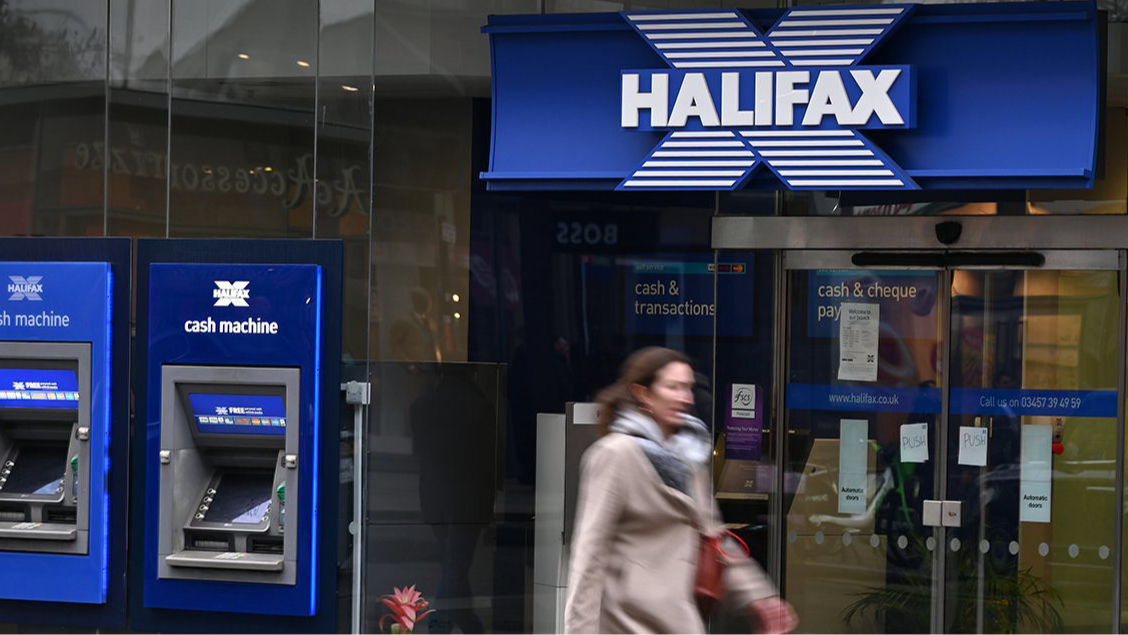
Lloyds Banking Group is reportedly preparing to phase out the historic Halifax brand after 173 years, marking the end of one of Britain’s most recognizable banking names.
The move is part of a broader restructuring strategy aimed at simplifying operations, reducing costs, and accelerating Lloyds’ shift toward digital banking services. The reported decision has sparked strong reactions from customers, financial analysts, and former employees who view Halifax as a major part of British banking history.
End of a Historic Banking Brand
Founded in 1853, Halifax became one of the UK’s most prominent banking and mortgage providers, particularly known for its strong presence in retail banking and home loans.
Over decades, the brand built a reputation among millions of British customers and became deeply associated with the country’s high street banking culture.
The potential retirement of the Halifax name would represent one of the biggest branding changes in the UK banking sector in recent years.
Why Lloyds Is Making the Change
Lloyds Banking Group is reportedly aiming to streamline its portfolio of banking brands as part of a long term modernization strategy.
Financial experts say maintaining multiple banking identities can increase operational complexity and marketing costs. By consolidating services under fewer brands, Lloyds hopes to improve efficiency and strengthen customer integration across digital platforms.
The banking industry has increasingly shifted toward app-based services, online banking, and centralized technology systems.
Digital Banking Transformation Accelerates
The reported decision reflects broader changes happening across the global banking industry.
Traditional high street banking has been declining as customers increasingly prefer:
- Mobile banking apps
- Online account management
- Digital payments
- Virtual customer support
- Contactless financial services
Banks across Europe have been reducing branch networks and investing heavily in digital infrastructure to adapt to changing consumer behavior.
Emotional Reaction From Customers
News of Halifax potentially disappearing has generated emotional responses from many long-time customers.
For some Britons, the Halifax brand represents familiarity, trust, and decades of financial history. Social media users have shared memories of opening first savings accounts, mortgages, and family banking relationships with Halifax branches.
Critics argue that removing historic banking brands risks weakening customer loyalty and emotional connection.
Impact on Customers Expected to Be Limited
Despite the branding changes, banking experts say customers are unlikely to experience major disruptions to their accounts or services.
Most existing products, savings accounts, mortgages, and digital services are expected to continue operating normally under Lloyds Banking Group management.
The transition would primarily affect branding, branch identity, and future customer-facing operations.
Banking Industry Under Pressure
The UK banking sector continues facing intense pressure from multiple directions, including:
- Rising operational costs
- Competition from digital challenger banks
- Changing consumer expectations
- Regulatory demands
- Economic uncertainty
Large financial institutions are increasingly focusing on efficiency and digital transformation to remain competitive.
Analysts Divided Over Decision
Financial analysts remain divided over whether retiring the Halifax name is strategically wise.
Supporters argue the move could strengthen Lloyds’ long-term operational efficiency and create a more unified banking structure.
Critics, however, warn that eliminating a historic and trusted brand may alienate older customers and reduce brand diversity within the group.
Some marketing experts believe traditional banking brands still carry significant emotional value despite the rise of digital finance.
UK High Street Banking Continues to Change
The reported Halifax phase out is part of a larger transformation affecting Britain’s high streets.
Bank branch closures have accelerated across the UK as more services move online. Many communities have already seen reduced physical banking access over recent years.
The decline of long-established banking names reflects the broader modernization of the financial sector.
What Happens Next?
Lloyds Banking Group is expected to gradually introduce any branding changes over time rather than through an immediate shutdown.
Industry observers believe further details regarding branch operations, customer communication, and transition plans could emerge in the coming months.
Customers will likely be closely watching how the bank handles the sensitive transition process.
The possible retirement of the Halifax brand after 173 years marks the end of a significant chapter in British banking history. While Lloyds Banking Group sees the move as part of a necessary digital transformation strategy, the decision has also triggered nostalgia and concern among loyal customers.
As banking increasingly shifts online, the disappearance of historic high street names highlights how rapidly the financial industry continues to evolve.
Trending News