
Oil Market Update: UAE OPEC Exit and Iran Hormuz Crisis Keep Prices Volatile
Written byTimes Magazine
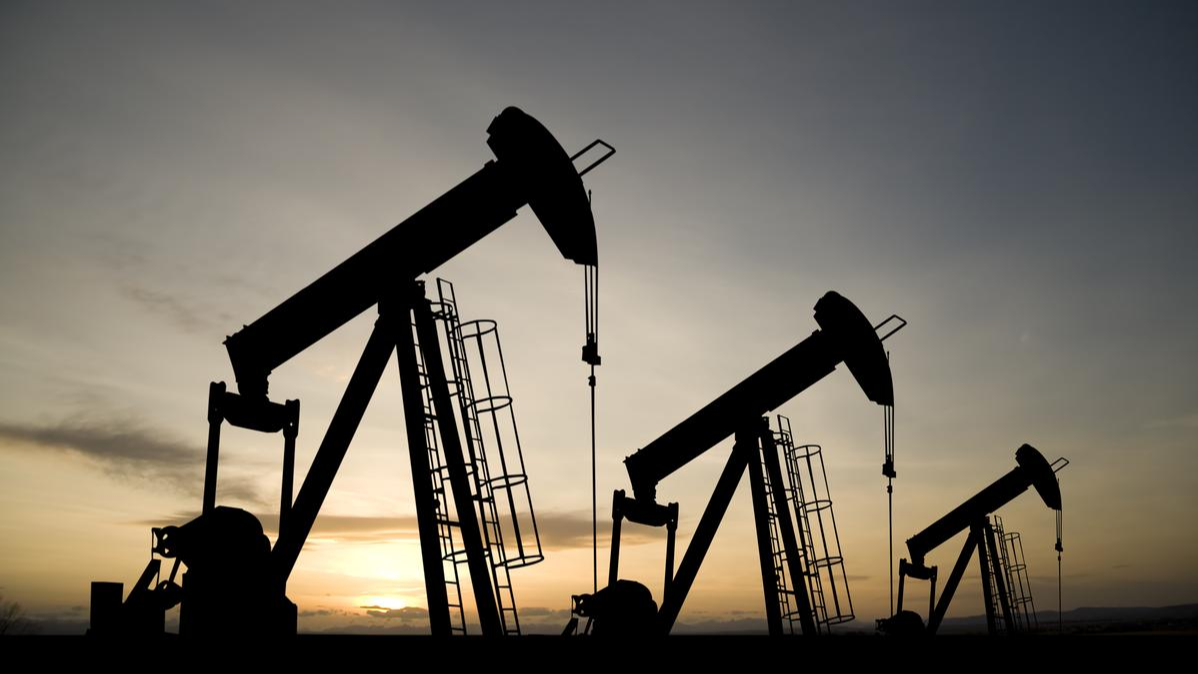
Global oil prices eased slightly on Wednesday after a strong rally in previous sessions, as investors reacted to the United Arab Emirates' decision to exit OPEC. However, ongoing geopolitical tensions involving Iran and the continued blockade of the Strait of Hormuz kept supply concerns elevated, preventing any major fall in crude prices.
Brent crude, the global oil benchmark, traded near $111 per barrel after rising sharply over the past week. Meanwhile, West Texas Intermediate (WTI) hovered close to $100 per barrel. Traders remained cautious as fresh developments in the Middle East continued to impact market sentiment.
UAE Exit from OPEC and Global Market Impact
The UAE’s surprise exit from OPEC created a major talking point in energy markets. As one of the largest producers in the group, the UAE’s departure could weaken OPEC’s influence over global supply and pricing strategies. The country has reportedly decided to pursue an independent production policy aimed at expanding output in response to future energy demand.
Despite the news, analysts said the immediate effect on oil prices may be limited. Markets are currently more focused on short term supply disruptions than long-term production policy changes.
Iran Conflict Raises Supply Disruption Fears
The Iran conflict has added another layer of uncertainty to already tight markets. Continued hostilities and regional instability are delaying normal tanker movement through the Gulf. This has forced traders to price in a risk premium, keeping crude prices higher than normal even after the UAE’s OPEC exit announcement.
Any further escalation in tensions could create stronger upward pressure on oil prices in coming weeks.
Strait of Hormuz Blockade and Shipping Risks
The Strait of Hormuz remains one of the world’s most important oil shipping routes, carrying a large share of global crude exports. Any blockade or military tension in the area quickly raises fears of supply shortages.
Market experts believe that if the Hormuz blockade continues, oil prices may remain elevated in the near term. Supply chains across Asia and Europe could face pressure, while rising shipping insurance costs and delayed cargo deliveries may increase global energy expenses.
What Higher Crude Prices Mean for India and Global Economy
For India, higher crude oil prices remain a concern because the country imports a significant portion of its energy needs. Expensive oil can increase fuel prices, raise transportation costs, and add pressure to inflation. If Brent crude stays above $110 for a longer period, Indian consumers and businesses may feel the impact through higher petrol, diesel, and logistics expenses.
The UAE’s long term strategy could eventually reshape oil markets. If the country increases production capacity after leaving OPEC, it may create more competition among producers and reduce OPEC’s ability to control supply.
In summary, while oil prices eased after their recent rally, the market remains under pressure. The UAE’s exit from OPEC has introduced long term uncertainty, but the immediate driver of prices continues to be the Iran conflict and supply risks linked to the Strait of Hormuz blockade. Until those tensions ease, crude prices may stay unstable and elevated.
Trending News