
Tony Blair Says Labour Has ‘No Coherent Plan’ for Britain’s Future
Written byTimes Magazine
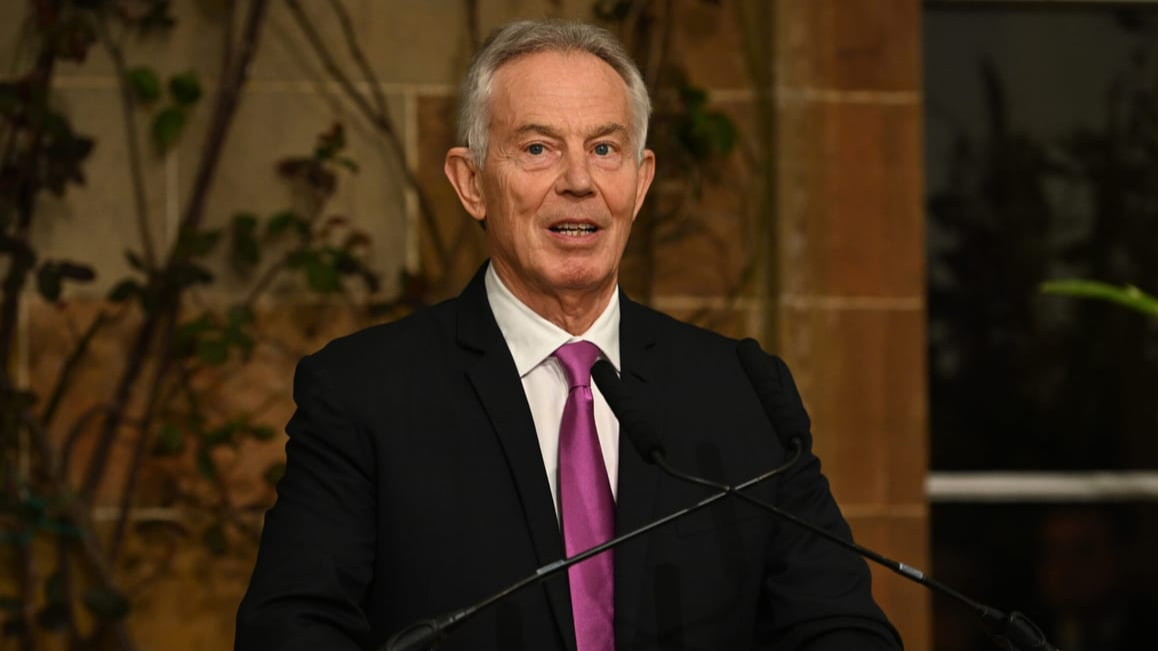
Tony Blair has criticized Labour Party for lacking a “coherent plan” for the country, intensifying political pressure on the party leadership during an increasingly turbulent period in British politics.
Blair’s remarks come as Labour faces mounting scrutiny over its economic policies, internal divisions, and declining public confidence following a series of political setbacks and leadership tensions. (bbc.com)
The former prime minister’s intervention has quickly sparked debate across Westminster, with critics arguing Labour is struggling to present a clear long-term vision for governing the United Kingdom.
Blair Questions Labour’s Direction
Speaking during a political discussion event, Blair reportedly warned that Labour currently lacks a unified and convincing national strategy capable of addressing Britain’s major challenges.
According to reports, Blair argued the party needs clearer policies concerning:
- Economic growth
- Public services
- Immigration
- National security
- Technology and innovation
- Long-term industrial strategy
He reportedly suggested voters are increasingly uncertain about what Labour truly stands for beyond opposition politics. (bbc.com)
Criticism Adds Pressure on Leadership
Blair’s comments arrive during a difficult political period for Labour leader Keir Starmer, whose leadership has recently faced growing criticism from both political opponents and sections of his own party.
Labour has recently struggled with:
- Falling poll numbers
- Internal ideological disagreements
- Economic policy criticism
- Questions over leadership authority
Political analysts say Blair’s intervention is especially significant because of his continued influence within moderate Labour circles.
Blair Remains Influential Figure in Labour Politics
Tony Blair remains one of the most influential and controversial figures in modern British political history.
As prime minister between 1997 and 2007, Blair led Labour to three consecutive general election victories and reshaped the party around a centrist “New Labour” approach.
Supporters credit him with:
- Expanding public services
- Modernizing Labour’s image
- Delivering electoral success
- Promoting economic growth
Critics, however, continue criticizing his legacy over issues including the Iraq War and foreign policy decisions.
Labour Defends Current Strategy
Labour officials pushed back against Blair’s criticism, insisting the party remains focused on delivering practical policies aimed at improving economic stability and public services.
Party representatives argued Labour has already outlined plans involving:
- NHS investment
- Green energy expansion
- Housing development
- Cost-of-living relief
- Infrastructure modernization
Supporters of Starmer say the party is attempting to balance fiscal discipline with social investment after years of economic pressure.
Growing Debate Over Labour’s Identity
Blair’s remarks have reignited long-running debates surrounding Labour’s political identity.
Some members believe Labour should continue pursuing moderate centrist policies similar to Blair-era politics.
Others argue the party should adopt more progressive economic and social policies aimed at energizing younger and left-leaning voters.
The disagreement reflects broader tensions over:
- Economic policy
- Public spending
- Nationalization
- Immigration
- Climate priorities
Political observers say Labour continues struggling to unite different ideological factions.
Conservatives Respond Quickly
Members of the Conservative Party quickly seized on Blair’s criticism as evidence of Labour’s internal instability.
Conservative politicians argued the comments showed even former Labour leaders doubt the party’s readiness to govern effectively.
Government supporters also claimed Labour lacks detailed solutions for Britain’s major economic and social challenges.
Public Frustration Growing Across UK Politics
Blair’s comments come during a period of broader public frustration with British politics overall.
Voters across the United Kingdom continue expressing concern about:
- Inflation
- Public service pressures
- Housing affordability
- Immigration policy
- Economic stagnation
- Political instability
Analysts say both major parties face increasing pressure to present convincing long-term strategies.
Blair Warns About Future Challenges
Reports suggest Blair also emphasized the importance of preparing Britain for major future challenges including:
- Artificial intelligence
- Technological disruption
- Climate transition
- Global economic competition
- Defense and security risks
He reportedly argued political parties must develop more ambitious long-term planning rather than focusing only on short-term political battles.
Labour Faces Difficult Electoral Landscape
Although Labour remains competitive politically, analysts say the party faces a far more fragmented and unpredictable electoral environment than during Blair’s leadership years.
New political movements, regional tensions, and changing voter priorities have reshaped British politics significantly over the past decade.
Labour’s ability to present a clear national message may become increasingly important ahead of future elections.
Tony Blair’s criticism that Labour has “no coherent plan” has intensified debate surrounding the party’s leadership, strategy, and political identity at a crucial moment in British politics. While Labour leaders insist they remain focused on economic recovery and public services, Blair’s remarks highlight growing concerns about whether the party has developed a convincing long-term vision for the country.
As political pressure continues building across Westminster, Labour now faces renewed scrutiny over its readiness to govern and unite voters behind a clear national agenda.
Trending News