
UK Military Releases Video Showing Ongoing RAF Counter-Drone Operations in Middle East
Written byTimes Magazine
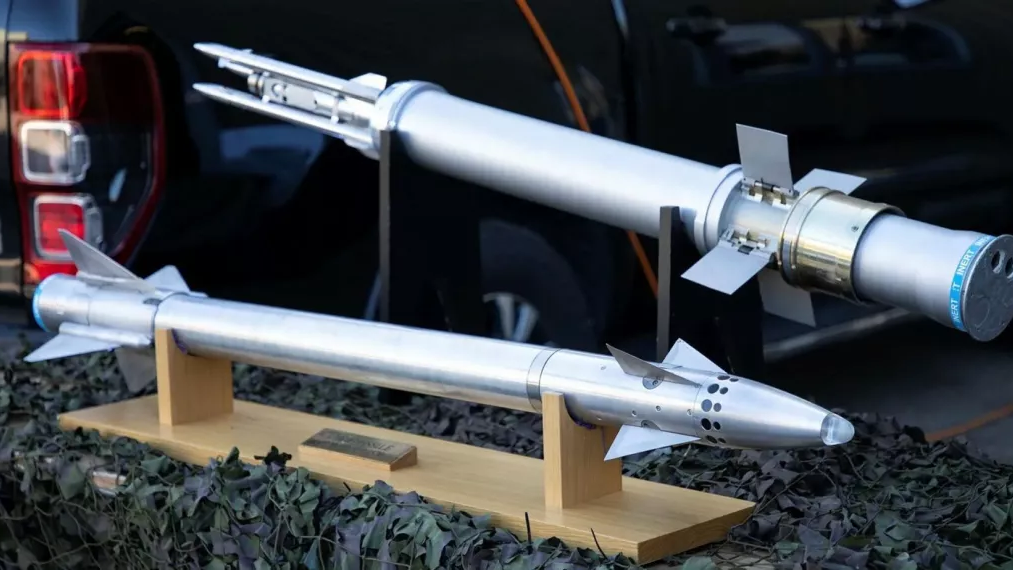
The United Kingdom has confirmed that the Royal Air Force (RAF) is continuing sustained counter drone operations across the Middle East, as new footage and official statements highlight the scale and intensity of ongoing defensive missions. The update comes amid rising regional tensions and increasing drone based threats targeting military installations, shipping routes, and coalition forces.
The Ministry of Defence has emphasized that these operations are strictly defensive in nature, aimed at protecting UK personnel, allied forces, and strategic infrastructure across multiple operational zones in the region.
RAF Expands Counter Drone Role in Middle East
The RAF has significantly expanded its role in counter unmanned aerial systems (UAS) operations in recent years, particularly across the Gulf, Iraq, and surrounding areas. These missions involve detecting, tracking, and neutralizing hostile drones that are increasingly used in modern conflict.
The UK’s deployment includes advanced air defence systems, fighter jets, and dedicated counter-drone units. These systems work together in a layered defence network designed to respond quickly to fast moving aerial threats.
Recent reports indicate that RAF personnel have been actively engaging drones using a combination of radar detection, electronic warfare tools, and missile interception systems. In some cases, British forces have successfully shot down multiple drones in a single operational period, demonstrating the intensity of the threat environment.
Video Footage Highlights Active Operations
The newly released video shows RAF personnel operating in real-time counter-drone scenarios, including rapid response sequences and interception procedures. While exact locations are not always disclosed for operational security reasons, the footage reflects the high readiness level of UK forces deployed in the region.
The video also highlights coordination between air and ground based defence units, showcasing how information is shared across command networks to quickly identify and eliminate incoming threats.
These visuals reinforce the UK’s commitment to maintaining security in a region where drone warfare has become increasingly common.
Growing Drone Threat in the Region
The Middle East has become a major hotspot for drone related military activity. Various armed groups and state actors have used unmanned aerial vehicles for surveillance, reconnaissance, and direct attacks.
Cheap, commercially available drones have also changed the nature of modern warfare. They can be modified for surveillance or weapon delivery, making them a flexible and difficult to counter threat.
As a result, coalition forces, including the UK, have had to adapt rapidly. Traditional air defence systems are being upgraded to deal specifically with low-cost, high volume drone attacks.
RAF Counter-Drone Systems in Action
The RAF’s counter drone strategy relies on multiple systems working together. These include radar detection units, electronic warfare capabilities, and missile-based interception systems.
One of the key tools used by British forces is a layered defence approach, where drones are first detected using advanced sensors, then tracked using surveillance systems, and finally neutralized if necessary.
Systems such as ground-based missile launchers and airborne fighter jets play a critical role in intercepting hostile drones before they can reach their targets.
In some operational zones, RAF units have reportedly intercepted multiple drones launched in coordinated attacks, highlighting the increasing complexity of threats faced by allied forces.
Role of RAF Regiment and Air Defence Teams
The RAF Regiment has become central to the UK’s counter-drone operations. These ground based units specialize in protecting airfields, bases, and critical infrastructure from aerial threats.
They are trained to operate advanced air defence systems and respond quickly to incoming drone swarms. Their role has become increasingly important as drone attacks become more frequent and sophisticated.
In addition to ground teams, RAF fighter jets such as Typhoons have also been deployed in defensive missions, intercepting drones in the airspace over key regions.
Strategic Importance of Middle East Operations
The UK’s military presence in the Middle East is part of broader international security commitments. British forces operate alongside allies to ensure stability in key maritime routes and air corridors.
The region is strategically important due to global shipping lanes, energy infrastructure, and ongoing geopolitical tensions. As a result, maintaining secure airspace is a top priority for the UK and its partners.
Counter-drone operations are now a critical part of this mission, reflecting how warfare has evolved in the modern era.
Increasing Investment in Air Defence Technology
In response to growing threats, the UK has increased investment in advanced air defence systems, including radar upgrades, missile technology, and electronic warfare capabilities.
These improvements are designed to ensure that British forces remain capable of responding to rapidly evolving drone threats.
Future developments are expected to focus on improving detection speed, increasing interception accuracy, and integrating artificial intelligence into threat analysis systems.
The UK’s confirmation of sustained RAF counter-drone operations in the Middle East underscores the changing nature of modern warfare. With drone threats becoming more frequent and complex, British forces are adapting through advanced technology, coordinated defence systems, and continuous operational readiness.
The release of new video footage provides a rare glimpse into these ongoing missions, highlighting the professionalism and capability of RAF personnel deployed in high-risk environments.
As tensions in the region continue, the UK is expected to maintain its defensive posture, ensuring protection for its forces and allies while adapting to the evolving challenges of aerial warfare.
Trending News